
Seasonal
Severe Weather Preparedness for Unoccupied Middle Tennessee Homes
By Greater Nashville Home Watch • July 15, 2026
Understanding Middle Tennessee's Severe Weather Reality
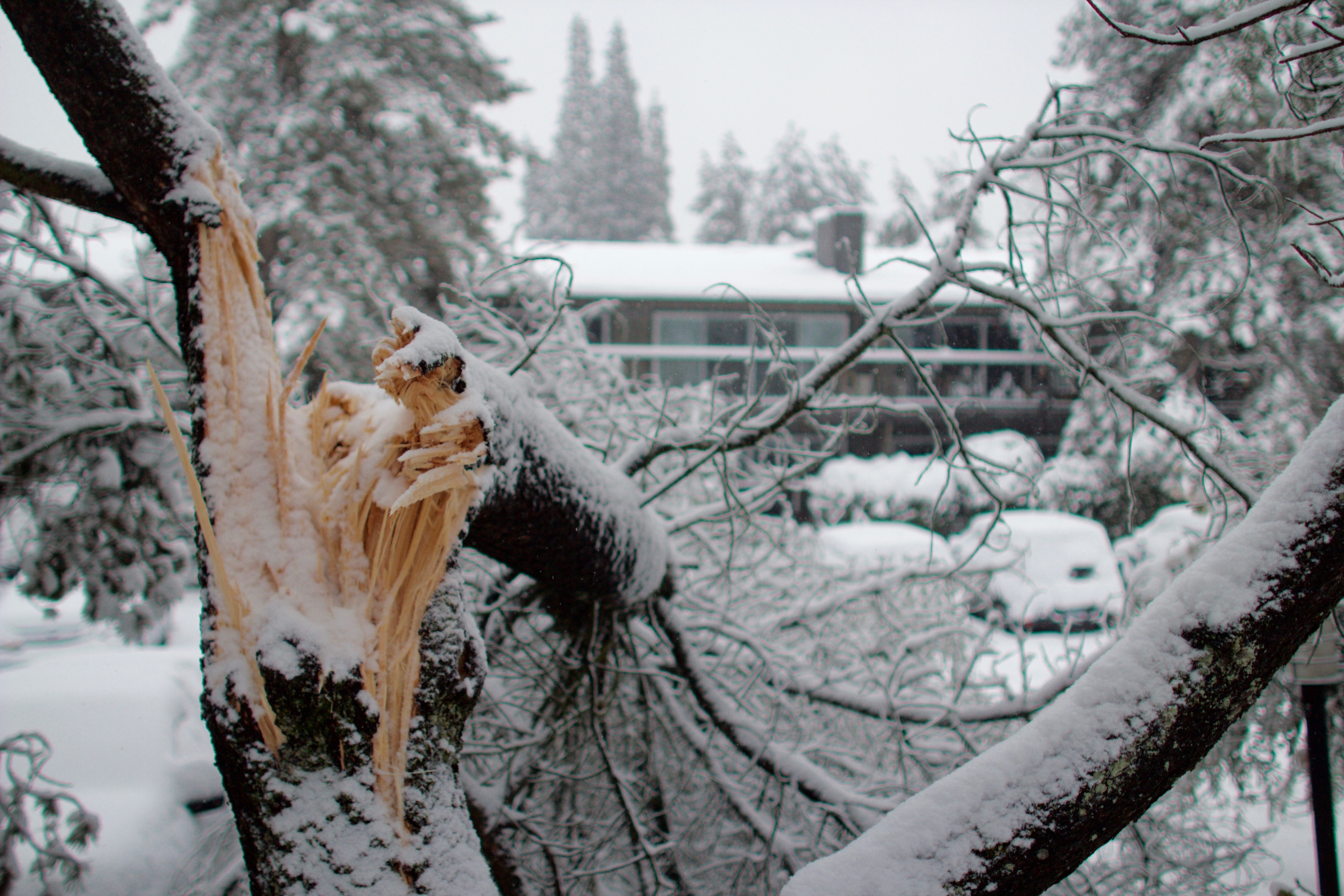
Middle Tennessee experiences distinct severe weather patterns. Tornadoes, straight-line winds, and ice storms are primary concerns. Unlike coastal regions, hurricanes are not a direct threat, but their remnants can bring heavy rainfall and wind. Tornadoes can strike rapidly, often with little warning, and can produce devastating damage within small, localized areas. Straight-line winds, frequently accompanying severe thunderstorms, can mimic tornado damage across broader swaths. Winter ice storms cause widespread power outages, freezing pipes, and tree damage. For unoccupied homes, these events pose significant risks that demand specialized preparation and vigilant follow-up.
Our role at Greater Nashville Home Watch is to provide that vigilant oversight for your unoccupied home. Proactive measures minimize damage, and prompt post-storm checks facilitate timely repairs and insurance claims. This guide outlines actionable steps homeowners should take, supplemented by professional home watch services.
Pre-Season Preparations: General Best Practices
Review Insurance Policies Annually
Before severe weather season begins, typically in spring and fall, review your homeowner's insurance policy. Confirm adequate coverage for wind, hail, and water damage. Understand your deductibles and any specific requirements for unoccupied homes. Some policies may have clauses regarding unoccupied status that could affect claims. Discuss these details with your insurance provider. Keep a digital and physical copy of your policy and contact information readily accessible.
Maintain Property Exterior and Landscape
Weak points on your home's exterior are vulnerabilities during high winds. Regularly inspect and repair loose shingles, siding, or trim. Ensure gutters and downspouts are clear of debris to prevent water overflow and foundation issues. Proper drainage directs water away from your home's foundation. Trim trees and shrubs, especially those close to the house or overhanging power lines. Dead or compromised branches are projectiles in strong winds and can cause significant damage or power outages. During an ice storm, even healthy branches can snap under the weight of ice.
Secure Outdoor Items
Before any forecast of strong winds or storms, all outdoor furniture, grills, trash cans, and decorative items should be secured or moved indoors. Even seemingly heavy patio furniture can become a dangerous projectile. For items that cannot be moved, such as large planters, consider anchoring them or placing them in sheltered areas. This not only protects your property but also prevents damage to neighboring homes.
Specific Preparations for Tornadoes and High Winds
Reinforce Entry Points
While complete tornado-proofing is impractical for standard homes, reinforcing entry points can offer some protection against straight-line winds. Ensure all exterior doors and windows close securely and lock properly. Consider investing in hurricane shutters or plywood cutouts for ground-floor windows if your home is in a particularly exposed area, though this is less common for Middle Tennessee homes than in coastal regions. For unoccupied homes, reliance on professional services like Greater Nashville Home Watch for pre-storm board-up or post-storm assessment is more practical than distant owners attempting these tasks themselves.
Documentation and Inventory
Maintain a comprehensive inventory of your home's contents, including photographs or video. This documentation is invaluable for insurance claims following severe damage. Store this inventory securely off-site or in cloud storage. Include exterior photos of your home from various angles to establish baseline condition. For unoccupied homes, a home watch service routinely documents the property's condition; these records are supplemental to your comprehensive inventory.
Specific Preparations for Ice Storms and Freezing Temperatures
HVAC and Plumbing Safeguards
Proper HVAC maintenance is critical for preventing frozen pipes. Ensure your thermostat is set to a minimum of 55-60°F (13-16°C) during winter months, even when unoccupied. This prevents pipes from freezing and bursting, which can cause extensive water damage. If you have any unheated areas where pipes are exposed, such as crawl spaces or unheated garages, ensure they are adequately insulated. Drip faucets during extreme cold events, as recommended by local utilities.
Power Outage Contingencies
Ice storms frequently cause prolonged power outages. Sump pumps, garage door openers, and security systems rely on electricity. Consider a battery backup for essential systems like sump pumps and security cameras. Evaluate the need for a whole-home generator, particularly if your home is in an area prone to extended outages or if you have critical medical equipment requiring power. For unoccupied homes, a generator adds a layer of protection against pipe freezes during extended power loss. Regular testing of any installed generator is essential.
During and Immediately After a Severe Weather Event (for Unoccupied Homes)
Remote Monitoring and Communication
For absent homeowners, remote surveillance systems can provide some insight into your property's immediate status. Smart home devices can alert you to power outages, temperature drops, or unauthorized entry. However, these systems are limited by power and internet connectivity issues common during major storms.
Engaging Your Home Watch Professional
This is where Greater Nashville Home Watch becomes indispensable. As an NHWA-accredited professional, Theo conducts post-storm inspections as soon as it is safe to do so. This is a critical service for unoccupied homes, as damage assessments need to be prompt for insurance purposes and to prevent secondary damage.
Initial Assessment:
We check the exterior for visible damage to the roof, siding, windows, and landscaping. We look for downed trees, broken fences, and debris.
Interior Check:
We verify power status, check for leaks, burst pipes, and any signs of water intrusion or abnormal temperatures. We also inspect for pest entry points opened by storm damage.
Documentation:
Detailed reports with extensive photos and videos are provided to the homeowner, informing them of the property's condition and any immediate concerns. This documentation is crucial for insurance claims.
Securing the Property:
If damage compromises the home's security (e.g., broken windows, detached doors), we can coordinate temporary repairs or board-up services to prevent further damage or unauthorized access.
Vendor Coordination:
We can assist in coordinating with local contractors for necessary repairs, acting as your local liaison when you are remote.
Post-Storm Protocols:
Long-Term Recovery
Filing Insurance Claims Promptly
Timely filing of insurance claims is essential. Your home watch report provides the initial evidence needed. Provide your insurance carrier with all documentation, including photos, videos, and repair estimates. Prompt action often leads to faster resolution.
Preventing Secondary Damage
After a storm, swift action prevents minor issues from becoming major problems. Water intrusion, if not addressed quickly, can lead to mold and structural damage. Exposed areas from wind damage can attract pests. Your home watch professional identifies these vulnerabilities, allowing for rapid intervention.
Community and HOA Considerations
If your home is within an HOA, they may have specific rules regarding post-storm debris removal or repairs. We can help monitor and comply with these requirements, ensuring your property adheres to community standards while awaiting full repairs. Communication with the HOA is often critical, particularly for shared infrastructure or community-wide damage.
Why Professional Home Watch is Essential in Middle Tennessee
For homes in Nashville, Franklin, Brentwood, Belle Meade, Green Hills, Forest Hills, Nolensville, Arrington, College Grove, and Leiper's Fork, a professional home watch service like Greater Nashville Home Watch offers peace of mind. Theo's NHWA accreditation signifies adherence to industry best practices and a commitment to professionalism. We are your eyes and ears on the ground, particularly when you are away and severe weather threatens or impacts your unoccupied property. We provide the essential physical presence and expertise required to navigate Middle Tennessee's unique weather challenges, ensuring your home remains secure and well-maintained before, during, and after a storm.
Preparedness Checklist for Unoccupied Homes
Annually: Review insurance, trim trees, update inventory.
Seasonally: Secure outdoor items, check HVAC, prepare for power outages.
Before forecasted storms: Ensure home watch service is aware and ready for post-storm checks.
Post-storm: Review home watch reports, file claims, coordinate repairs.